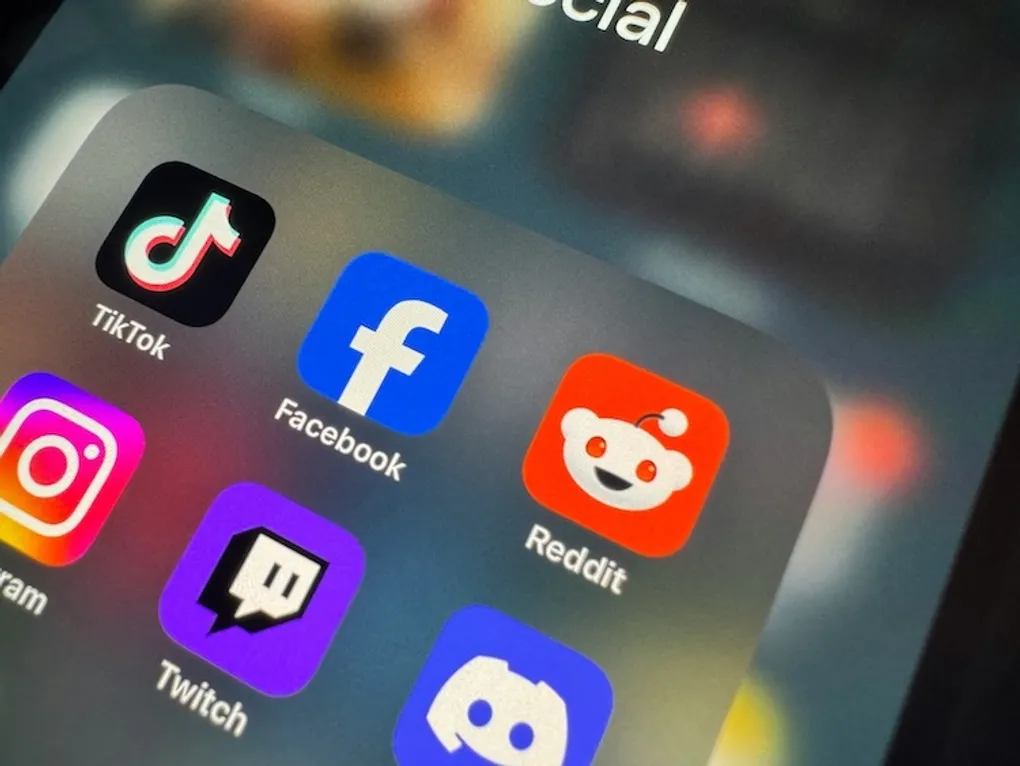
5 Ways Apps Keep Users Engaged
In a world where millions of apps compete for attention, keeping users engaged is a top priority for developers. A highly engaged user is more likely to stick around, recommend the app, and even make in-app purchases. But how do apps achieve this? Below, we explore five powerful strategies that apps use to keep users coming back, explained in simple terms with unique insights into their mechanics and impact.
1. Personalization: Tailoring the Experience
Apps that feel like they “know” you are more engaging. Personalization uses data like your preferences, location, or past behavior to customize content. For example, Spotify suggests playlists based on your listening history, making you feel understood.
Personalization is like having a friend who always picks the perfect movie for you to watch. It makes the experience feel special and keeps you coming back.
— Adapted from UX expert Don Norman
How It Works
- Data Collection: Apps track user actions (e.g., songs played, items clicked) to build a profile.
- Algorithms: Machine learning predicts what you’ll like based on patterns.
- Dynamic Content: The app adjusts its interface, recommendations, or notifications to match your interests.
Why It Matters
Personalization increases relevance, which boosts user satisfaction. A 2023 study found that 71% of users expect personalized experiences, and apps delivering this see up to 40% higher retention rates (McKinsey & Company, 2023).
| Personalization Feature | Example App | Impact on Engagement |
|---|---|---|
| Recommended Content | Netflix | Users watch 60% more when shown tailored suggestions |
| Location-Based Offers | Uber | 30% increase in ride bookings with local promotions |
| Custom Notifications | Duolingo | 25% higher daily active users with personalized reminders |
2. Gamification: Making Tasks Fun
Gamification turns boring tasks into exciting challenges by adding game-like elements such as points, badges, or leaderboards. For instance, Duolingo rewards users with “XP” for completing language lessons, making learning feel like a game.
How It Works
- Rewards: Users earn points, badges, or virtual currency for completing actions.
- Progress Tracking: Visual indicators like progress bars show how close users are to goals.
- Social Competition: Leaderboards or sharing features let users compare achievements.
Why It Matters
Gamification taps into human psychology, particularly the desire for achievement and recognition. Apps using gamification see up to 50% higher engagement, as users are motivated to “win” (Gartner, 2022).
Examples of Gamification
- Fitness Apps: Fitbit awards badges for reaching step goals.
- Learning Apps: Quizlet uses streak counters to encourage daily practice.
- Shopping Apps: Starbucks’ rewards program gives stars for purchases, unlocking free items.
3. Push Notifications: Gentle Reminders That Work
Push notifications are short messages that pop up on your phone, reminding you to use an app. Done right, they bring users back without being annoying. For example, a weather app might notify you about rain in your area, prompting you to check it.
A well-timed notification is like a nudge from a friend—it reminds you without being pushy.
— Mobile marketing expert Anette Weber
How It Works
- Timing: Notifications are sent based on user behavior or time zones (e.g., morning reminders).
- Personalization: Messages use your name or reference recent activity.
- Actionable Prompts: Notifications include clear calls-to-action, like “Check today’s deal!”
Why It Matters
Notifications can increase retention by 20% when tailored and timed correctly (Localytics, 2023). However, overdoing it can lead to users disabling them, so balance is key.
| Notification Type | Example | Effectiveness |
|---|---|---|
| Reminder | Todoist: “Complete your tasks!“ | 15% increase in task completion |
| Promotional | Amazon: “Flash sale ends soon!“ | 10% boost in purchases |
| Social | Instagram: “New post from [Friend]!“ | 25% more app opens |
4. Seamless User Experience: Smooth and Simple
A great user experience (UX) means the app is easy to use and visually appealing. If an app is confusing or slow, users will leave. Apps like Google Maps excel because they’re intuitive and fast, even for first-time users.
How It Works
- Simple Navigation: Clear menus and buttons make it easy to find features.
- Fast Performance: Quick load times prevent frustration.
- Consistent Design: Familiar layouts across screens build trust.
Why It Matters
A 2024 survey showed that 88% of users abandon apps with poor UX (Forrester, 2024). A seamless experience keeps users engaged longer and reduces churn.
UX Best Practices
- Use large, tappable buttons for mobile users.
- Minimize loading times with optimized code.
- Test designs with real users to catch pain points.
5. Community Building: Connecting Users
Apps that foster a sense of community keep users engaged by making them feel part of something bigger. For example, Reddit thrives because users join groups to discuss shared interests.
How It Works
- Social Features: Comment sections, forums, or direct messaging connect users.
- User-Generated Content: Allowing users to post content (e.g., photos, reviews) creates ownership.
- Events or Challenges: Group activities, like Strava’s running challenges, encourage participation.
Why It Matters
Community-driven apps see 30% higher daily active users compared to non-social apps (Statista, 2023). Users stay because they feel connected to others.
| Community Feature | Example App | Engagement Boost |
|---|---|---|
| Forums | 35% more time spent in-app | |
| Group Challenges | Strava | 20% increase in activity posts |
| User Reviews | Yelp | 15% more user contributions |
Why Engagement Matters
Engaged users are the lifeblood of any app. They’re more likely to:
- Use the app daily.
- Share it with friends.
- Spend money on in-app purchases or subscriptions.
Key Metrics for Engagement
| Metric | Definition | Why It’s Important |
|---|---|---|
| Daily Active Users (DAU) | Number of users active daily | Shows how often users return |
| Session Length | Time spent per app session | Indicates how engaging the app is |
| Retention Rate | % of users who return after first use | Measures long-term loyalty |
Tips for App Developers
To boost engagement, developers should:
- Analyze Data: Use analytics to understand user behavior and refine features.
- Test Constantly: A/B test notifications or designs to see what works best.
- Listen to Feedback: User reviews highlight what needs improvement.
- Stay Updated: Trends like AI-driven personalization are shaping the future.
- Balance Engagement: Avoid overwhelming users with too many notifications or complex features.
Conclusion
Keeping users engaged is both an art and a science. By personalizing experiences, gamifying tasks, sending smart notifications, ensuring a smooth UX, and building communities, apps can create lasting connections with users. These strategies, backed by data and psychology, make apps not just useful but irresistible. As technology evolves, staying ahead of user expectations will be key to keeping them hooked.